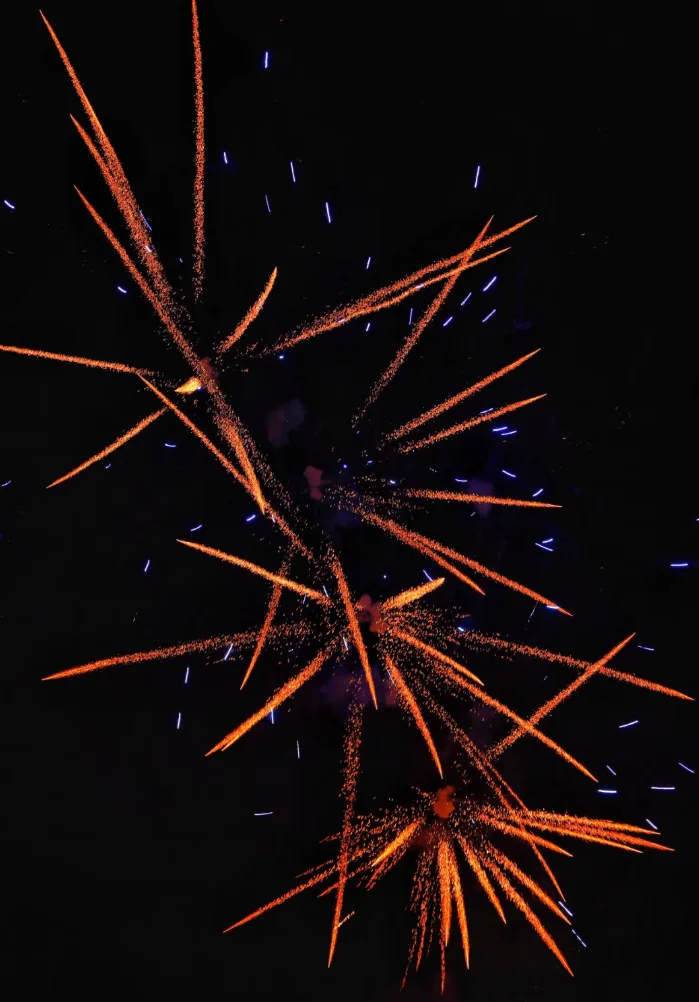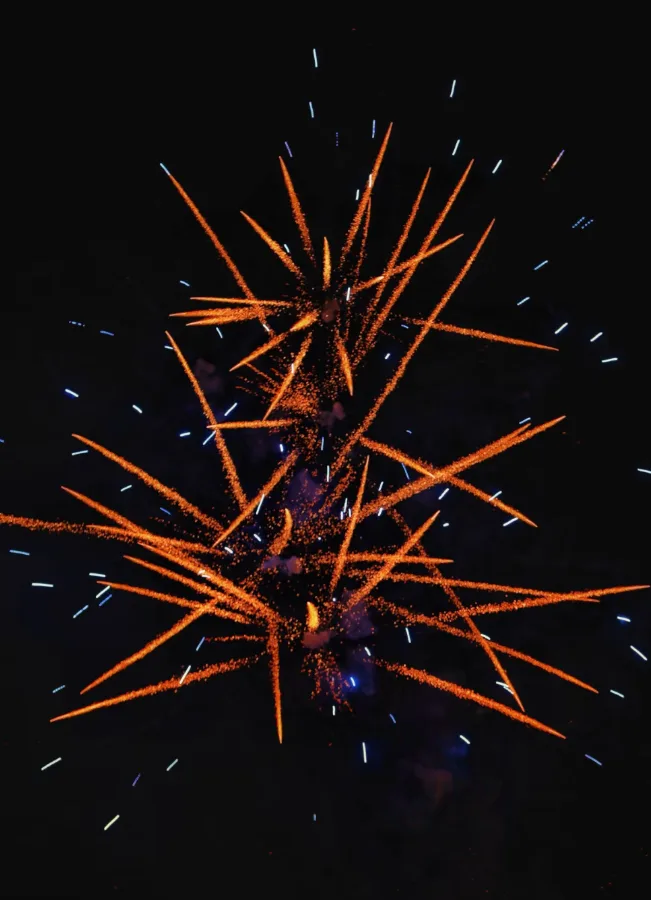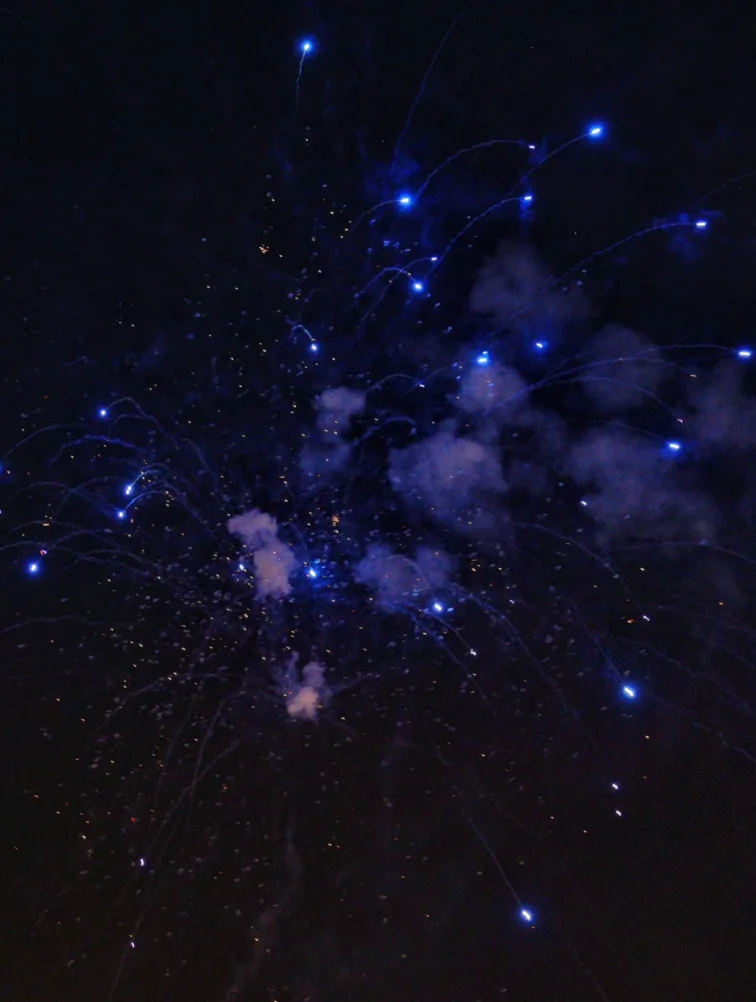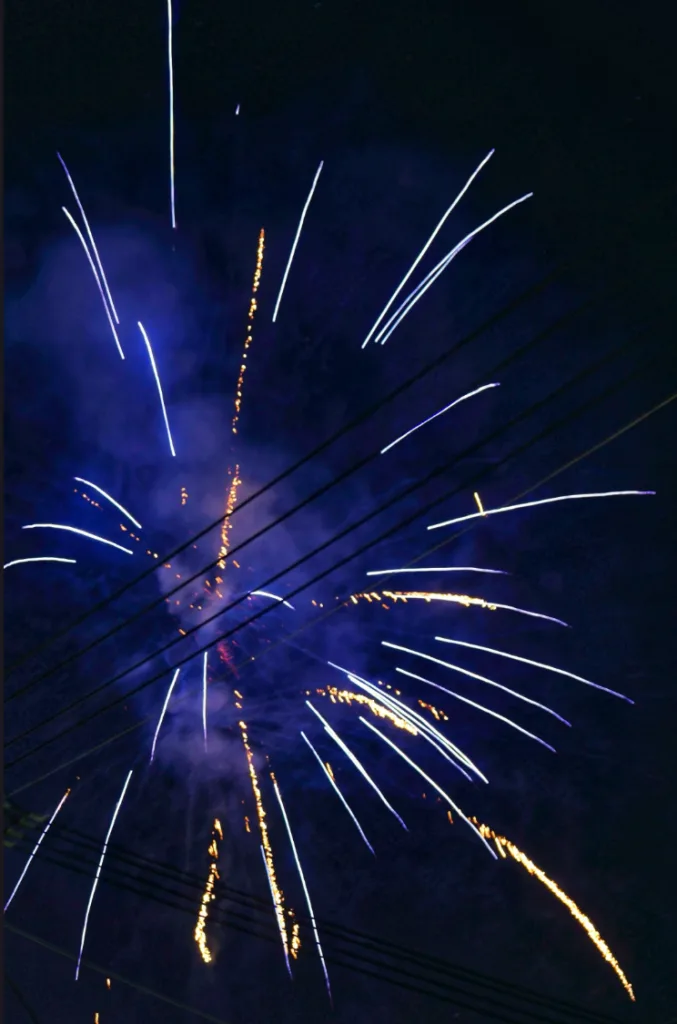
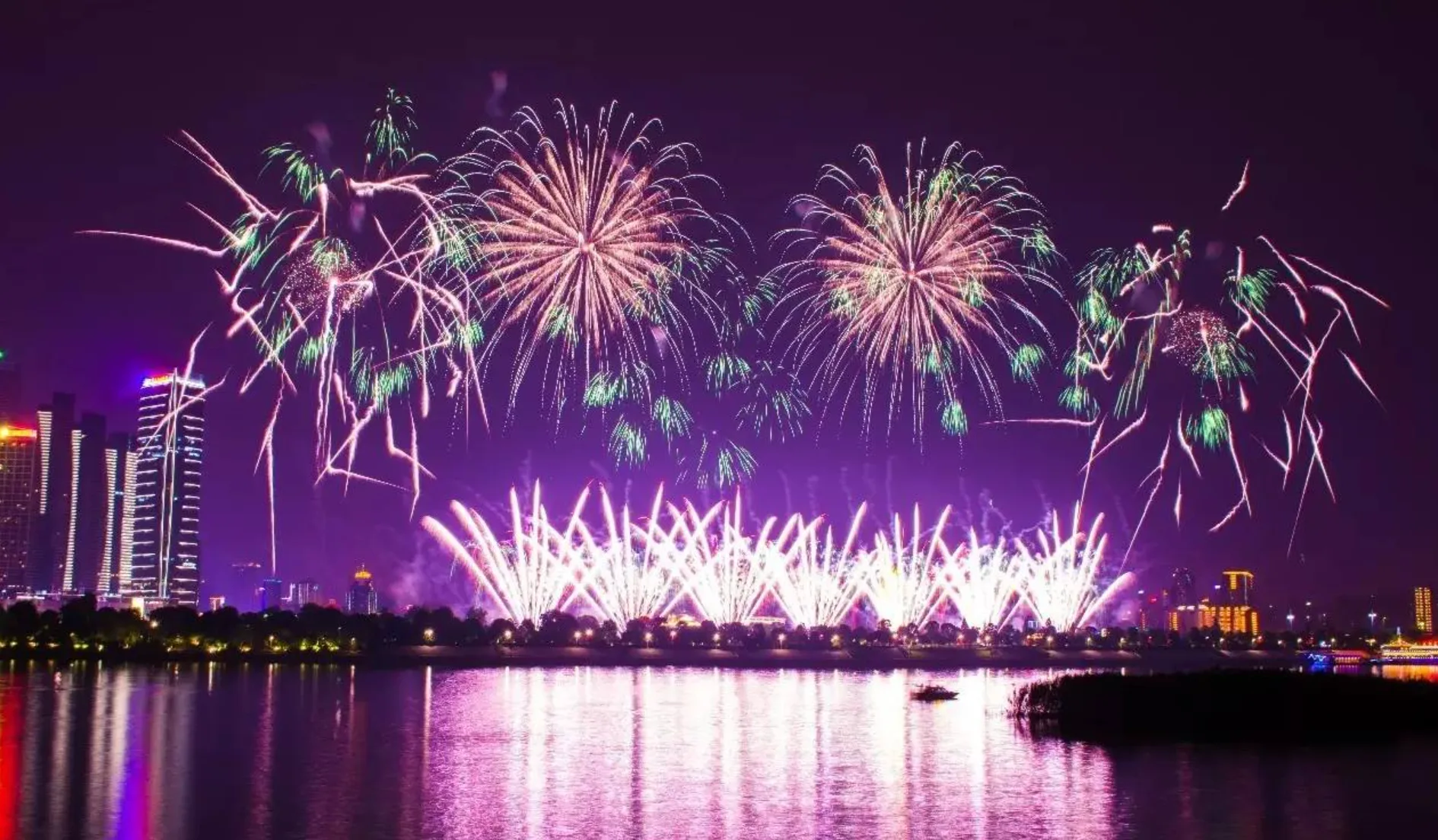
The act of watching a fireworks display is a curious confluence of anticipation and immediate reward. It is a spectacle built upon elemental forces—fire, chemical reaction, and percussion—yet it culminates in something profoundly abstract: a visual memory suspended momentarily against the vast, indifferent expanse of the night sky. The true allure of this pyrotechnic art form lies not only in the visceral thrill of its sound and light but in its deep, historical connection to human ritual and its inescapable commentary on the nature of transience.
The lineage of the firework traces back through millennia, originating from the foundational innovation of black powder in ancient China. What began, according to legend, as a pursuit of alchemical immortality or, more practically, as a means to ward off local spirits by igniting bamboo, soon developed into a sophisticated craft. By the Song Dynasty, detailed accounts described Yanhua (fire flowers) displays, demonstrating an early mastery of projection, timing, and colour manipulation. This transformation from a simple, noisy deterrent to a medium of complex visual expression marked the firework’s enduring cultural significance: it was no longer just a sound; it was a sight that codified joy, relief, and national pride.
As the knowledge migrated westward along established trade routes, the firework found a new, eager audience in Europe. It was seized upon during the Renaissance, an era defined by a renewed interest in scientific inquiry and elaborate public performance. European courts quickly recognized the dramatic and symbolic power of controlled explosions. Pyrotechnic displays became integral to royal coronations, military victories, and state treaties. Master gunners and specialized artisans—often referred to as 'Fire Masters'—were employed to design intricate, theatrical narratives in the sky, demonstrating their patron’s wealth, technological prowess, and divine favour. The famous occasions, such as the spectacle accompanying Handel’s Music for the Royal Fireworks in 1749 London, were engineered not merely for entertainment, but as statements of profound civic and political magnitude.
The dazzling array of colours that distinguishes a modern fireworks display is the result of centuries of refinement in chemical artistry. The stars—the small, pelletized fuel units that comprise the shell—are formulated with metallic salts, each carefully chosen for the specific wavelength of light it emits upon ignition. Copper compounds yield brilliant blues; barium salts generate vibrant greens; strontium carbonates are responsible for the deep reds. The pattern itself—the weeping willow, the peony, the crackling brocade—is determined by the geometric arrangement and composition of these stars within the shell casing, along with the precise calibration of the bursting charge. The successful execution of a complex show requires flawless technical adherence to principles of chemistry, aerodynamics, and ignition timing, turning a potentially chaotic explosion into a highly ordered, graceful descent of light.
However, the element that elevates this spectacle beyond mere science is its ephemeral nature. A firework exists in a state of self-consumption; its brief, glorious life is the very process of its destruction. The brilliance is absolute, but momentary. It is an artistic creation that cannot be preserved, saved, or repeated precisely. This inescapable transience is what instils the display with its emotional gravity. It demands that the spectators—often gathered in immense numbers—abandon distraction and immerse themselves entirely in the immediate sensation.
This communal, temporal focus is a powerful antidote to the fragmented attention of contemporary life. For the duration of the show, the crowd shares a singular, unified experience: a collective gasp at a particularly large shell, a shared murmur of appreciation for a low-flying fountain, or a joint release of tension during the culminating volley, the grand finale. In this shared vulnerability to the moment's passing, a temporary but deep sense of community is forged among strangers.
Philosophically, the firework serves as a potent metaphor for human aspiration and the brevity of life's most intense joys. The shell rises from the darkness, achieves its ultimate potential in a blazing display, and then recedes, leaving a trailing plume of smoke. It perfectly embodies the concept of making a striking, luminous impact despite the certainty of cessation. In this sense, the firework urges an appreciation of the present—a reminder that beauty, joy, and significance are often found in the moments that cannot be sustained but must be deeply experienced as they unfold.
In the twenty-first century, firework technology has advanced to include sophisticated electronic firing controls and digital choreography, allowing designers to synchronize the bursts to complex musical arrangements with microsecond precision. Yet, despite all these technological advancements, the fundamental experience remains unchanged. It is still a primal, compelling dance between man's calculated use of fire and the vast indifference of the cosmos. The firework remains a universal language of celebration, an incandescent memory built on smoke and light, and an annual, compelling reminder that the most profound beauty is often that which refuses to stay.