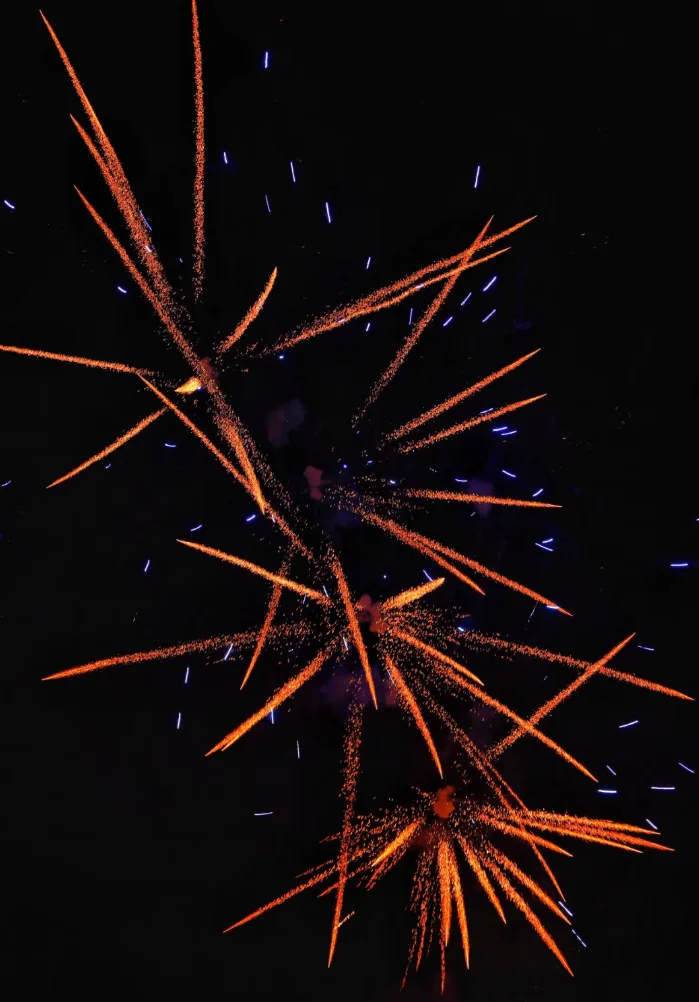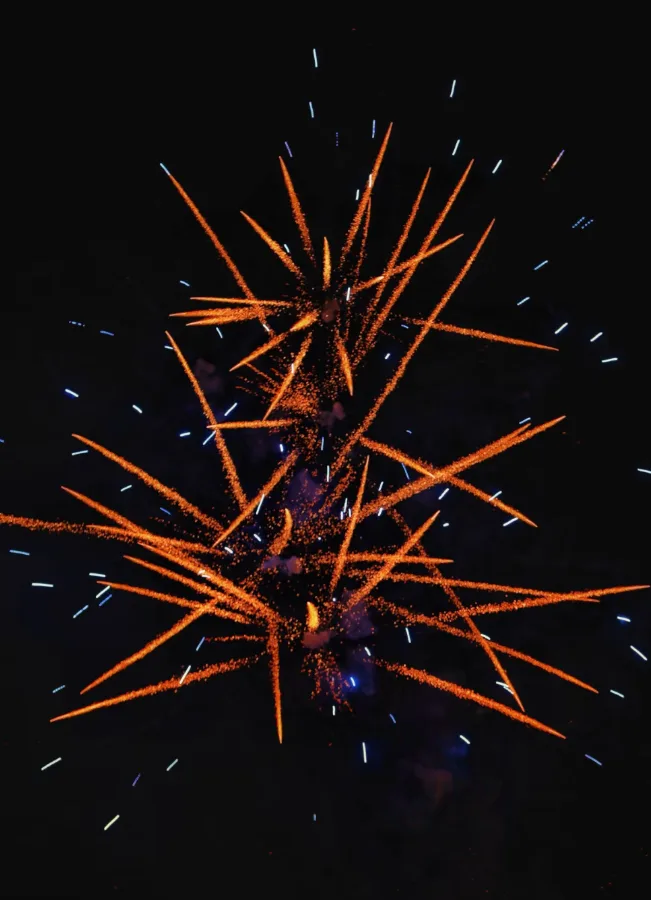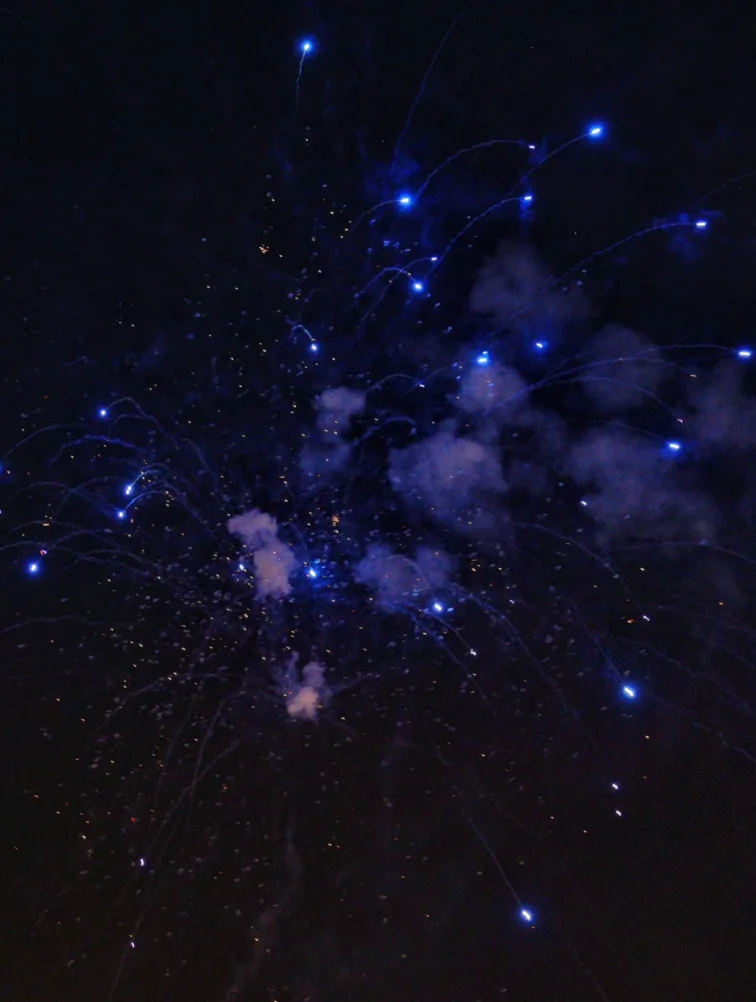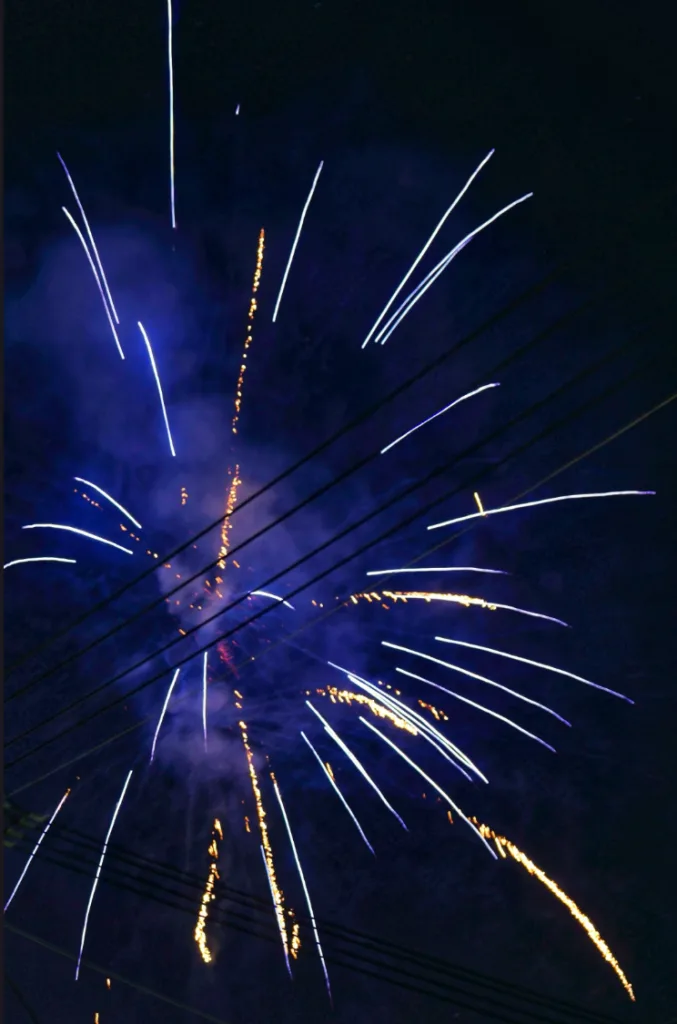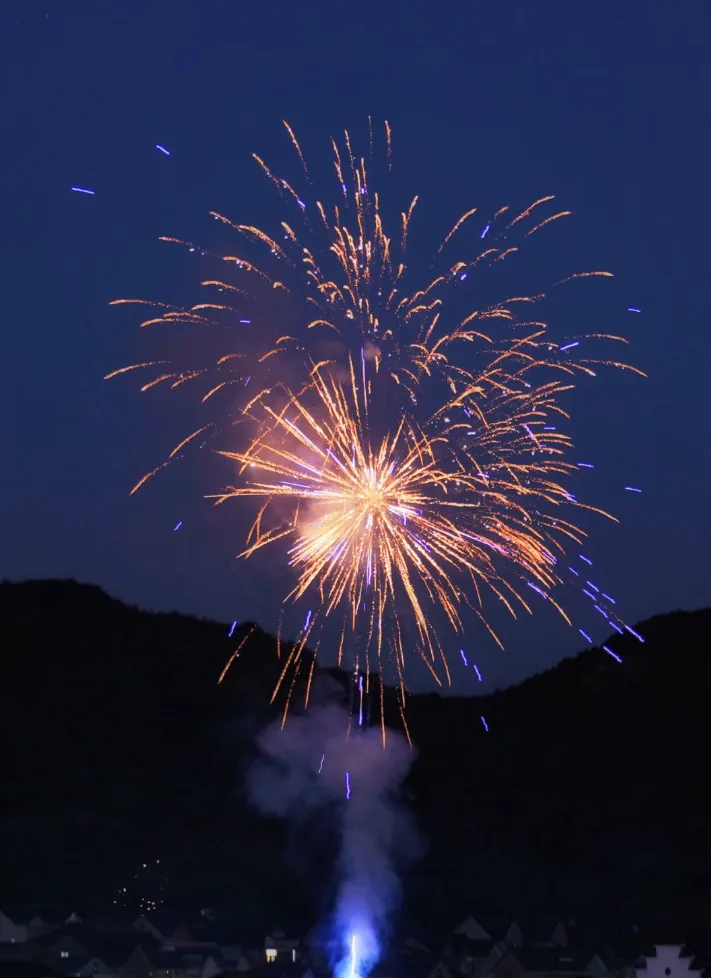
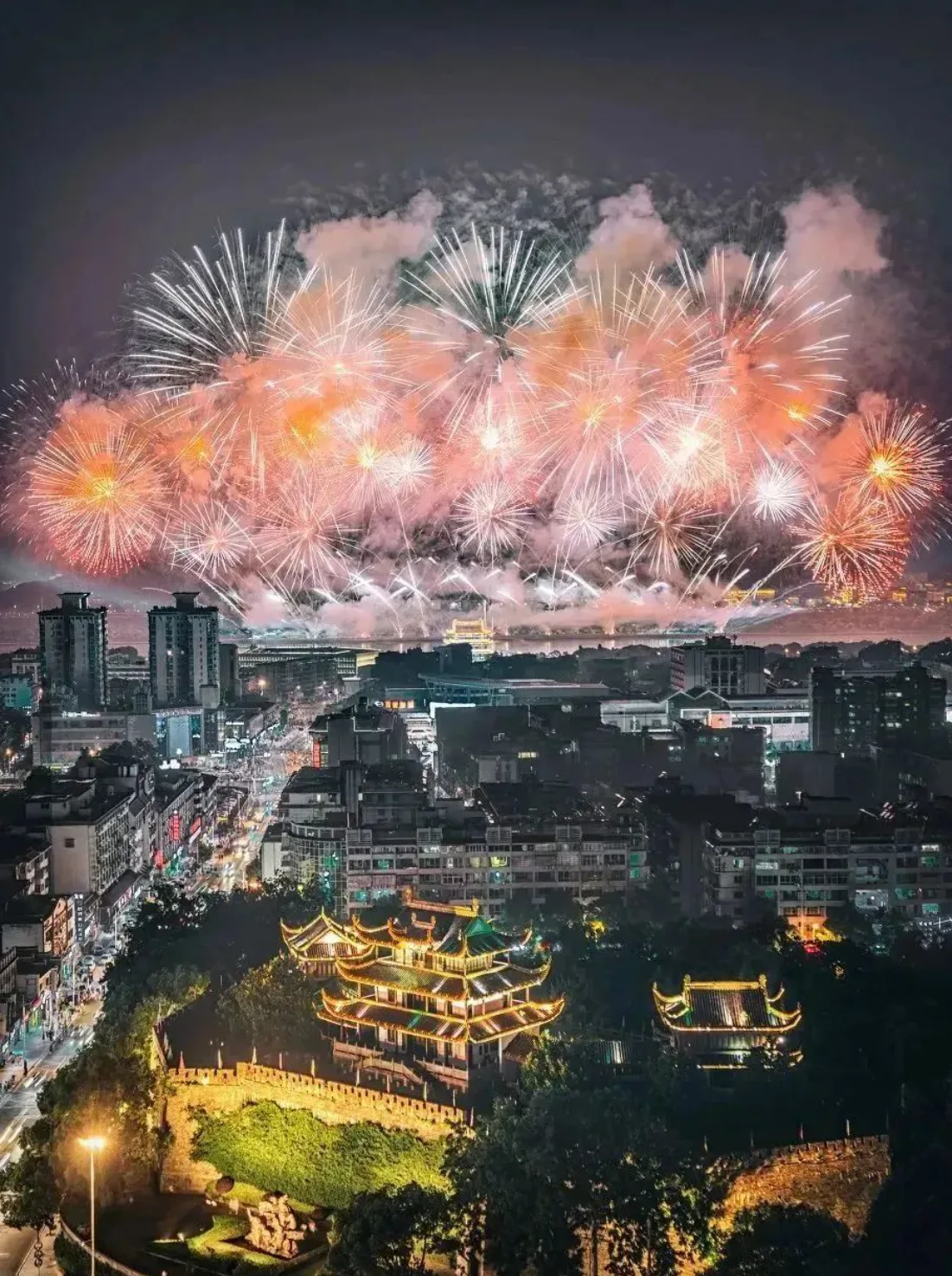
For centuries, a spectacular, fleeting art form has ascended into the night sky, captivating humanity across continents and cultures: the firework. More than just a simple explosive, the firework is a magnificent blend of chemistry, history, and human emotion, transforming moments of celebration into unforgettable, shared experiences. When we tilt our heads back and watch the darkness bloom into a cascade of colour, we are participating in a tradition that spans millennia, connecting us to the past and to one another in a moment of collective awe.
From Alchemy to Art: A Fiery History
The genesis of pyrotechnics is widely attributed to ancient China, perhaps as early as the 2nd century B.C. Legend holds that the very first "firecrackers" were simply pieces of bamboo, which, when tossed into a fire, would explode with a loud bang due to the superheated, hollow air pockets inside. This natural percussion was quickly harnessed for spiritual purposes, with the loud noise believed to scare away malevolent spirits and usher in prosperity.
The true breakthrough came between 600 and 900 A.D. with the invention of black powder—a mixture of saltpeter (potassium nitrate), sulfur, and charcoal. This rudimentary gunpowder was initially packed into bamboo or stiff paper tubes, creating the first deliberate, man-made firecrackers. It was first used for military signals and combat, but its festive potential was soon recognized.
As knowledge of gunpowder spread along trade routes—first to the Arab world, and then to Europe by the 13th century—its application broadened. Italian pyrotechnicians quickly became masters of the craft, shifting the focus from mere noise to artistry. European rulers embraced the spectacle, using elaborate firework displays to mark coronations, royal weddings, and military victories, thereby cementing their place as symbols of pomp, power, and national celebration.
A Global Phenomenon: Celebrations in Illumination
Today, fireworks are a universal language of joy, their crackling symphonies punctuating the most significant dates on the world calendar. They hold deep cultural symbolism far beyond simple entertainment:
- China's New Year: They remain central to the Lunar New Year, serving their original purpose of chasing away bad luck and ensuring a propitious start to the coming year. The sheer volume and complexity of the displays showcase an unparalleled mastery of the art.
- The American Fourth of July: In the United States, fireworks are synonymous with Independence Day. The tradition dates back to the very first celebration in 1777 and is seen as an expression of patriotic pride and the enduring spirit of freedom.
- India's Diwali: The "Festival of Lights" is illuminated by fireworks that symbolize the triumph of light over darkness, and good over evil, adding a vibrant, auditory component to the visual spectacle of clay lamps (diyas) and candles.
- Japan's Hanabi: Meaning "fire flowers," Japanese fireworks festivals, like the famous Sumidagawa event, are not just about spectacle; they are poetic, contemplative events, often viewed as a reflection on the fleeting beauty and impermanence of life—a profound philosophical take on a momentary burst of light.
- New Year's Eve (Global): From Sydney Harbour’s iconic display over the Opera House to the record-breaking spectacles in Dubai against the backdrop of the Burj Khalifa, New Year’s Eve is the world’s most unified celebration, where billions watch the sky light up, signaling a shared hope for the future.
The Science Behind the Spectacle
What makes a firework a masterpiece of colour and sound? It is all down to ingenious chemistry contained within a carefully crafted shell. The firework we see exploding high above is typically a single aerial shell containing multiple components: the lift charge (gunpowder that propels the shell into the air), a time delay fuse, and the internal stars.
The stars are the heart of the show. They are small pellets made of combustible material, a binding agent, and—crucially—metal-containing salts that produce specific colours when heated:
| Colour | Metal Salt Compound |
| Red | Strontium Salts (e.g., Strontium Carbonate) |
| Blue | Copper Salts (e.g., Copper Carbonate) |
| Green | Barium Salts (e.g., Barium Chloride) |
| Yellow | Sodium Salts (e.g., Sodium Nitrate) |
| White/Silver | Magnesium or Aluminum |
When the time fuse ignites the burst charge at its peak altitude, the stars are violently scattered and ignited. The chemical elements vaporize and emit light at specific wavelengths, resulting in the vibrant palette we see. The shapes—peonies, willows, chrysanthemums—are determined by how the stars are arranged inside the shell before launch. The symphony of sound, from the whistling shriek to the deep, percussive boom, is all precisely timed, orchestrated to create a moment of genuine drama and wonder.
Safety and Stewardship: Respecting the Fire
While the spectacle is breathtaking, it is vital to remember that a firework is, at its core, a controlled explosion. The brilliance of pyrotechnics must always be balanced with a commitment to safety. For professional displays, this means meticulous planning and execution by trained pyrotechnicians. For individuals enjoying sparklers or legal home fireworks, it means adhering to essential guidelines: always use them outdoors, keep water nearby, never hold a lit item in your hand other than a sparkler (which should be handled with gloves and doused immediately), and never, under any circumstances, try to relight a 'dud'. We must also consider our neighbours and pets, for whom the sudden barrage of light and noise can be frightening. Responsible celebration ensures the tradition remains enjoyable for everyone.
A Shared Human Experience
Ultimately, the enduring appeal of the firework display lies in its ability to force us to pause, look up, and share a magnificent moment. The sight of a brilliant shell soaring and bursting against the canvas of the night sky creates an instantaneous, universal connection. Whether marking a national triumph, a religious festival, or the simple turning of the calendar year, the firework remains a powerful testament to human ingenuity and our deeply rooted desire to celebrate life with light, colour, and a glorious, thunderous chorus.